

Building a Reliable Emergency Food Supply: Choosing Emergency Food Wisely

When disaster strikes, having a dependable stash of food can make all the difference. Whether it’s a natural disaster, power outage, or unexpected crisis, being prepared with the right emergency food can provide peace of mind and sustain you and your loved ones. Building a reliable emergency food supply is not just about stockpiling random canned goods; it requires thoughtful planning, smart choices, and regular maintenance. This guide will walk you through the essentials of choosing emergency food and assembling a supply that meets your needs.
The Importance of Choosing Emergency Food Carefully
Choosing emergency food is a critical step in preparedness. Not all foods are created equal when it comes to long-term storage, nutrition, and ease of preparation. Here are some key factors to consider:
Shelf Life: Look for foods with a long shelf life, ideally 25 years or more. Freeze-dried and dehydrated foods often last longer than canned goods.
Nutritional Value: Your emergency food should provide balanced nutrition, including proteins, carbohydrates, fats, vitamins, and minerals.
Ease of Preparation: In an emergency, you may have limited access to cooking tools or fuel. Foods that require minimal water, no cooking, or simple preparation are ideal.
Taste and Variety: Eating the same food repeatedly can be discouraging. Choose a variety of flavors and textures to keep morale high.
Packaging: Airtight, moisture-proof packaging helps preserve food quality and prevents spoilage.
By focusing on these factors, you can build a food supply that is not only reliable but also enjoyable to eat during stressful times.

How to Build Your Emergency Food Supply Step-by-Step
Building your emergency food supply can seem overwhelming, but breaking it down into manageable steps makes the process easier and more effective.
Step 1: Assess Your Needs
Start by determining how many people you need to feed and for how long. A common recommendation is to have at least a two-week supply, but many experts suggest preparing for a month or more. Consider dietary restrictions, allergies, and preferences.
Step 2: Choose Your Food Types
Select a mix of food types to cover all nutritional bases:
Grains and legumes: Rice, beans, lentils, oats
Proteins: Freeze-dried meats, canned tuna, peanut butter
Fruits and vegetables: Freeze-dried or dehydrated options
Fats: Nuts, seeds, oils in sealed containers
Comfort foods: Chocolate, coffee, powdered milk
Step 3: Purchase and Store Properly
Buy foods in small batches to avoid overwhelming your budget. Store them in a cool, dry, and dark place to maximize shelf life. Use airtight containers or vacuum-sealed bags for extra protection.
Step 4: Rotate and Maintain
Regularly check expiration dates and rotate your stock by using older items first and replacing them with fresh supplies. This keeps your emergency food supply fresh and ready.
Step 5: Prepare for Cooking Limitations
Have alternative cooking methods ready, such as a camping stove, portable gas burner, or solar oven. Also, stock up on water and fuel.
What is the Best Emergency Food Supplier?
Finding a trustworthy supplier is essential to ensure the quality and reliability of your emergency food supply. Here are some tips to identify the best emergency food supplier:
Reputation and Reviews: Look for companies with positive customer feedback and a solid track record.
Product Variety: A good supplier offers a wide range of freeze-dried, dehydrated, and canned foods.
Shelf Life Guarantees: Suppliers should provide clear information about shelf life and storage conditions.
Packaging Quality: High-quality packaging ensures longer shelf life and protection from environmental factors.
Customer Support: Responsive customer service can help with questions and order issues.
Some well-known suppliers specialize in long-term food storage and offer sample kits to test taste and quality before committing to larger purchases. Always compare prices and check for certifications or quality assurances.
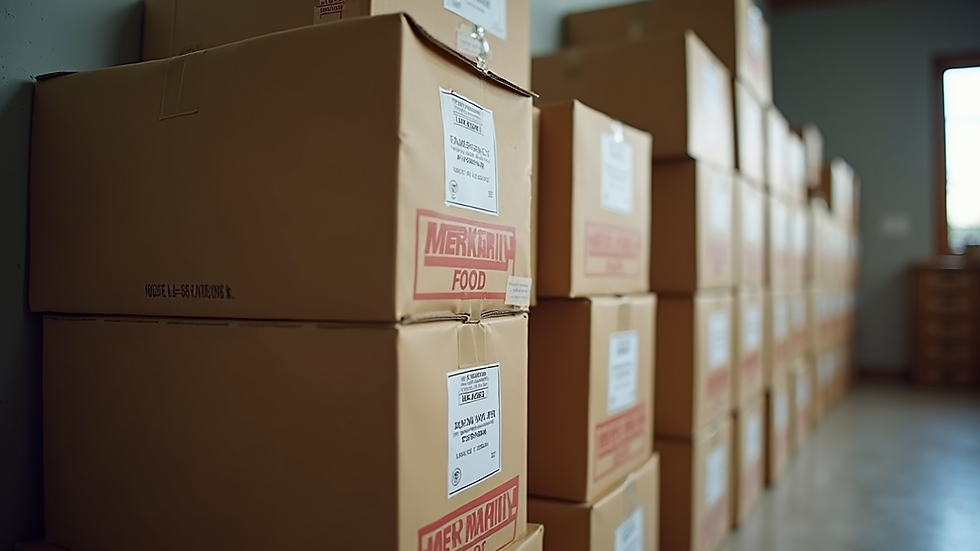
Tips for Storing and Managing Your Emergency Food Supply
Proper storage and management are just as important as choosing the right foods. Here are practical tips to keep your emergency food supply in top condition:
Temperature Control: Store food in a cool area, ideally between 50-70°F. Avoid places with temperature fluctuations like garages or attics.
Humidity Control: Moisture can ruin food quickly. Use desiccants or oxygen absorbers in sealed containers.
Pest Prevention: Keep food in rodent-proof containers and check regularly for signs of pests.
Inventory List: Maintain a detailed list of your food items, quantities, and expiration dates. This helps with rotation and planning.
Accessibility: Store food in an easily accessible location so you can reach it quickly during an emergency.
Water Supply: Don’t forget to store enough water for cooking and drinking, as it is essential for preparing many emergency foods.
Preparing for Different Emergency Scenarios
Different emergencies may require different food strategies. Here are some examples:
Power Outages: Focus on foods that don’t require refrigeration or cooking, such as canned goods, energy bars, and ready-to-eat meals.
Natural Disasters: Have a mix of non-perishable foods and portable cooking options like camp stoves.
Long-Term Isolation: Stock up on freeze-dried and dehydrated foods that last longer and provide balanced nutrition.
Bug-Out Situations: Choose lightweight, compact foods that are easy to carry and prepare on the go.
By tailoring your emergency food supply to potential scenarios, you can be better prepared for whatever comes your way.
Staying Prepared Beyond Food: Additional Essentials
While food is a cornerstone of emergency preparedness, don’t overlook other essentials that support your survival and comfort:
Water and Filtration: Store plenty of water and have filtration or purification methods.
First Aid Supplies: Keep a well-stocked first aid kit.
Cooking Equipment: Portable stoves, fuel, utensils, and cookware.
Lighting and Power: Flashlights, batteries, solar chargers.
Communication Tools: Battery-powered radios, extra phone chargers.
Combining these with your emergency food supply creates a comprehensive preparedness plan.
Building a reliable emergency food supply is a proactive step that can safeguard your well-being during uncertain times. By carefully choosing emergency food, storing it properly, and planning for various scenarios, you ensure that you and your family have the nourishment needed to face emergencies with confidence. Start small, stay consistent, and keep your supplies fresh to maintain readiness year-round.


Comments